


A useful Harford County market plan starts with more than a headline about prices. Buyers and sellers should look closely at comparable homes, monthly costs, property condition, and the timing of their own move. Here is how to turn those details into decisions you can feel good about this season.
Start With the Homes You Are Actually Competing With
A countywide market update can set the scene, but it cannot tell you exactly what a particular home is worth. A property in Bel Air may compete with a different group of homes than one in Abingdon or Havre de Grace. Size, condition, location, and price range all affect which listings a buyer considers and which recent sales are meaningful to a seller.
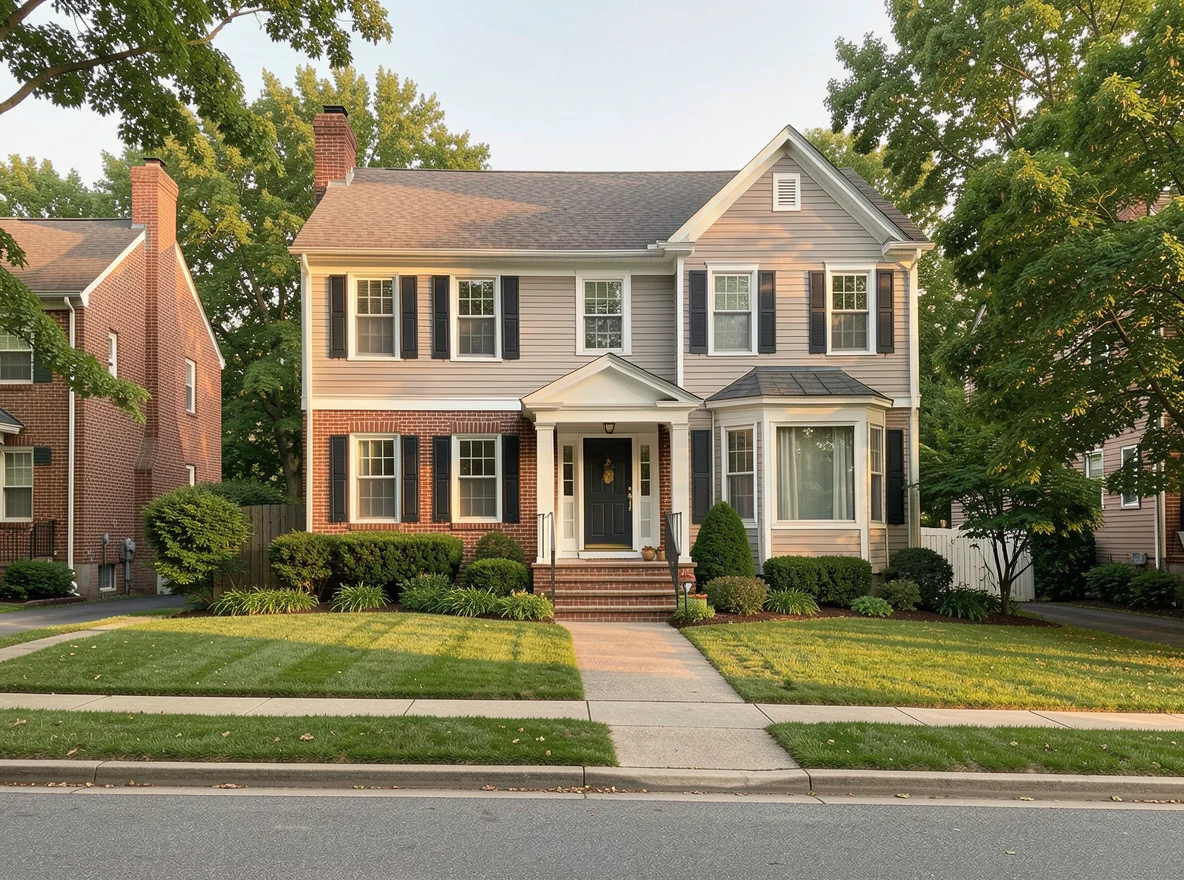
Begin with recently sold properties that resemble the home in question. Look beyond the bedroom count: compare living space, lot features, age, updates, and any features that affect day-to-day use. A renovated kitchen or a newer roof may help explain why two otherwise similar properties sold at different prices. Sale dates matter, too, because conditions can change between one transaction and the next.
Active listings are useful for a different reason: they show what buyers can choose from right now. Pending listings can suggest what is attracting interest, although their final terms may not yet be public. A skilled local agent can help interpret those clues alongside completed sales rather than treating any single asking price as proof of value.
A list price is an invitation to buyers, not a confirmed sale price. Compare active competition with recent closed sales before deciding what a home may be worth.
Pay attention to how long comparable listings have been available and whether their prices have changed. A home that attracts quick interest and one that remains on the market for weeks may be telling different stories about presentation, pricing, or condition. Ask for context before assuming the difference reflects the entire county market.
For Buyers: Know Your Numbers Before You Tour
A comfortable purchase price starts with a monthly payment you understand. Ask a lender to explain how the loan amount, interest rate, property taxes, homeowners insurance, and any homeowners association fees fit together. Rates and insurance costs can change, so request an updated estimate when you find a home you are seriously considering.
Keep cash needs in view as well. Your down payment is only one part of the picture; closing costs, inspections, moving expenses, and future maintenance deserve space in the budget. A lender can help you review financing options and provide a preapproval, while your agent can explain the timeline and offer terms that may matter in your price range.
When you find a promising property, consider the entire package rather than reacting to the asking price alone. A lower-priced home that needs major work may cost more over time than a better-maintained alternative. Review disclosures, ask questions, and discuss inspection options with your agent. If you are considering changing or waiving a contingency, make sure you understand the risks and have advice appropriate to your situation.
For Sellers: Price and Preparation Work Together
A thoughtful launch begins with an honest assessment of the home and its competition. Before settling on a price, review recent comparable sales and the properties a buyer could tour instead. Consider how your home’s layout, updates, outdoor space, and maintenance history compare. The goal is a price supported by evidence and positioned for the buyers looking in that range.

Preparation does not have to mean a major renovation. Start with the details buyers notice: clean surfaces, working lights, clear walkways, and easy access to rooms and storage. Address obvious maintenance issues where practical, and gather records for improvements or repairs. Ask your agent which projects are worth considering before spending money; not every upgrade will make sense for every property.
Summer showings can also reveal details that are less obvious in listing photographs. Take a look at landscaping, drainage after rain, and how comfortable the home feels on a warm day. Buyers may ask about the age and upkeep of cooling equipment, so having available service records organized can make those conversations easier. Disclose known property conditions as required and consult your agent about the applicable paperwork.
Before paying for a major update, compare its cost with the likely benefit and your desired selling timeline. Smaller repairs and thorough preparation may be the more practical first steps.
Once the home is listed, review feedback and activity with your agent in context. A handful of showings, online interest, or a quiet first week is not a complete market analysis on its own. Look at the available competition and what visitors are saying, then decide whether a change in presentation, access, or price is warranted. A clear plan for reviewing the results can keep a stressful decision from becoming a rushed one.
Make Timing Work for Your Move
Seasonal activity is only one piece of the timing question. Your work schedule, financing, moving plans, and the availability of suitable homes may matter more than waiting for a supposedly perfect week. Sellers should consider how much time they need to prepare, review offers, and arrange their next move. Buyers should allow room for financing, inspections, and settlement rather than assuming every transaction follows the same calendar.
If you need to buy and sell, map the two processes together early. Discuss whether you would need proceeds from your current home for the purchase, what temporary arrangements might cost, and how different offer terms could affect your options. Contingencies, settlement dates, and possession arrangements are negotiable, but the right approach depends on the parties and the contract.
Keep the Local Details in Perspective
A home search is also a search for the routines that matter to you. Compare the routes you expect to travel, nearby parks and recreation, dining options, and other amenities on your own schedule. If schools are part of your decision, verify current attendance boundaries and program information directly with the school system; boundaries and offerings can change. Visit at different times when possible to see how a location feels in practice.
Whether you are preparing a listing or narrowing a search, the most useful market advice connects current evidence to your particular goals. Brendan Butler and his team can help you review comparable properties, weigh the tradeoffs, and build a practical next step for your Harford County move.
