


The most valuable home projects are not always the most dramatic. In Aberdeen, addressing water, major systems, and visible wear can help protect a home’s condition and make a future sale easier to navigate. Here’s how to prioritize the work before spending on a major renovation.
Start With the Problems That Can Grow
A fresh kitchen can catch a buyer’s eye, but a roof leak or damp basement can quickly change the conversation. Begin by walking through the property with a notebook, looking for stains, peeling paint, soft wood, musty odors, and other signs that something needs attention. Then separate urgent repairs from cosmetic improvements and projects you simply want to enjoy.
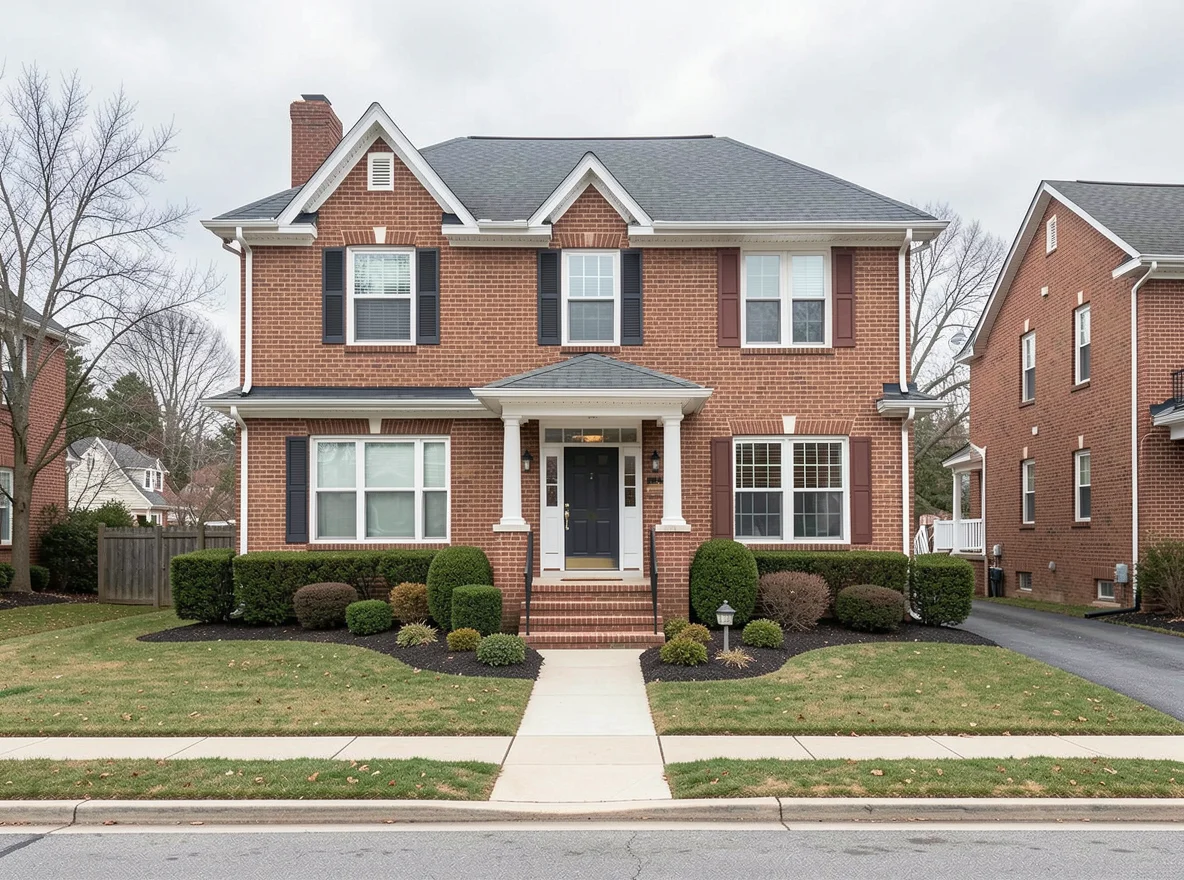
Pay particular attention to how water moves around the house. Clear gutters and downspouts, check that water drains away from the foundation, and inspect exterior caulk and flashing for visible deterioration. Maryland’s seasonal rain and humidity make moisture management a practical part of ongoing ownership, not just a pre-listing task.
If you notice a recurring leak, standing water, or signs of structural movement, bring in an appropriately qualified professional to diagnose the cause. Painting over a stain or covering a damp wall may improve appearances briefly, but it does not resolve the underlying issue. Keep invoices and repair records so a future buyer can see what was addressed and by whom.
A clean gutter is useful only if the downspout also directs water away from the foundation. Check the entire drainage path after a substantial rain.
A roof inspection can also help you plan ahead. Ask a qualified roofer about damaged shingles, flashing, and the condition of roof penetrations. If replacement may be approaching, compare estimates and discuss timing with a local real estate professional before committing to a project solely for resale.
Keep Major Systems Working Well
Heating, cooling, plumbing, and electrical systems may not be the first things a buyer notices, but their condition can become important during inspections and negotiations. Regular service helps you identify concerns early and gives you a clearer picture of upcoming costs. Start with the equipment’s maintenance instructions and ask licensed professionals to evaluate issues outside your expertise.
For heating and cooling equipment, replace or clean filters as recommended and schedule professional service when needed. Check for uneven temperatures, unusual sounds, and visible leaks around equipment. A newer system is not automatically a reason to replace a functioning one; age, service history, performance, and repair costs all matter.
Inside, look beneath sinks and around toilets, water heaters, and laundry connections for moisture. Repair dripping fixtures and investigate changes in water pressure. For electrical concerns such as frequently tripped breakers or damaged outlets, consult a qualified electrician rather than attempting an unfamiliar repair.
Gather warranties, service receipts, permits, and appliance information in one place. These documents do not guarantee a higher sale price, but they can help buyers understand the home’s maintenance history and make it easier to answer questions when the property is listed.
Refresh the Rooms Buyers Notice
Once essential repairs are under control, consider modest improvements to the spaces that show everyday wear. A thorough cleaning, fresh paint, repaired hardware, and consistent lighting can make rooms feel cared for without requiring a complete redesign. Choose finishes that suit the home and your budget rather than assuming the most expensive option will deliver the best return.
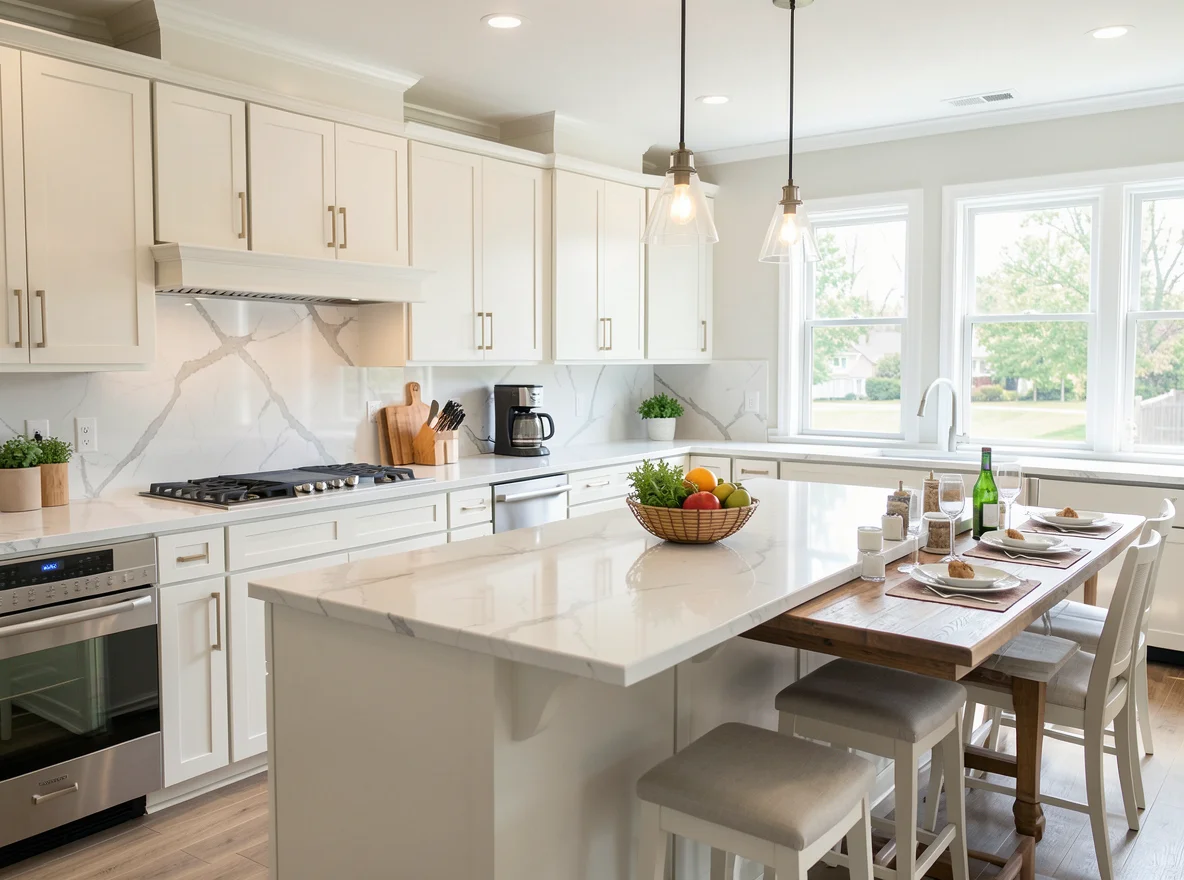
In the kitchen, check whether cabinets close properly, faucets work smoothly, and countertops are in good condition. Replacing worn hardware or repairing a damaged surface may be more sensible than changing the entire layout. If appliances need replacement, compare practical options and avoid assuming that a premium package will be reflected dollar for dollar in the sale price.
Bathrooms benefit from the same approach. Fix loose fixtures, address ventilation problems, and replace deteriorated caulk or grout after resolving any moisture issue. In living areas, repair damaged flooring and patch walls before painting. Neutral finishes can give buyers a clear view of the space without requiring a costly transformation.
Before approving a renovation estimate, ask which items solve a condition problem and which are optional upgrades. That distinction makes it easier to protect your budget.
For older homes, be cautious with peeling paint and renovation dust. If lead-based paint may be present, consult an appropriately certified professional about safe work practices and applicable requirements. Check local permit requirements before electrical, plumbing, structural, or other significant work, and retain the final documentation.
Make the Exterior Easy to Appreciate
The path from the curb to the front door sets up a showing. Trim overgrown vegetation, clear walkways, repair loose steps or railings, and clean exterior surfaces using methods appropriate for the materials. These jobs can improve presentation while also revealing maintenance issues that were hidden by plants or accumulated debris.
Look at the exterior as a system, not just a backdrop. Peeling trim, damaged siding, and gaps around windows can allow moisture to reach underlying materials. Repair deteriorated components before repainting, and ask a professional to evaluate damage if the extent is unclear. A tidy entry and working exterior lights are useful finishing touches after the larger issues are resolved.
Decide What Makes Sense for Your Sale
Return on investment varies by property, project cost, buyer preferences, and market conditions. Before starting a large remodel, compare your home with recently sold properties and current competition in Aberdeen. A local agent can help you assess whether a proposed improvement addresses a likely objection or risks costing more than buyers may recognize in the sale price.
If you are planning to sell soon, prioritize repairs that affect condition and present the home clearly. If a sale is years away, you may reasonably choose improvements for your own enjoyment as well as future appeal. Either way, obtain detailed estimates, allow for unexpected work, and keep a record of what was completed.
Buying? Build a Maintenance Plan, Too
Buyers can use the same framework when evaluating a home: look beyond finishes, review available maintenance records, and discuss inspection findings with qualified professionals. An inspection can identify concerns, but no inspection can predict every future repair. Consider the age and condition of major components alongside the purchase price and your own budget.
Whether you are preparing to list or settling into a new place, consistent attention to water, systems, and routine repairs is a practical starting point. The goal is not to eliminate every imperfection or guarantee a particular return. It is to make informed decisions, care for the property, and approach the next transaction with fewer surprises.
